The visual evidence from the accompanying video, showcasing agricultural drones in operation, underscores a pivotal shift in modern farming practices. For centuries, crop protection has remained a cornerstone of agricultural productivity, evolving from manual labor to large-scale mechanized solutions. However, the increasing demands for efficiency, precision, and environmental stewardship have catalyzed a new revolution: the adoption of agricultural UAV pesticide spraying. This technological paradigm is not merely an incremental improvement but represents a fundamental reimagining of how we safeguard our crops, ensuring healthier yields with minimized impact.
The strategic application of pesticides is critical for mitigating crop loss due to pests and diseases, which can decimate yields and farmer livelihoods. Traditional methods, often reliant on ground-based machinery or manned aircraft, frequently contend with challenges such as soil compaction, uneven application, and significant pesticide drift. These issues not only compromise efficacy but also raise concerns about environmental contamination and worker safety. Consequently, the advent of specialized drones for agricultural purposes offers a compelling alternative, marrying advanced aerodynamics with sophisticated spraying mechanisms to deliver unparalleled precision.
The Imperative of Precision: Why Agricultural Drone Spraying Matters
In the contemporary agricultural landscape, precision is not just a desirable trait; it has become an absolute necessity for sustainable and profitable farming. Agricultural drone spraying exemplifies this ethos by enabling highly targeted interventions, unlike the broadcast application methods of old. This nuanced approach ensures that chemicals are deployed exactly where and when they are needed, reducing overall pesticide consumption by up to 30% in some cases, according to industry analyses.
Furthermore, the environmental benefits are substantial, as reduced chemical runoff and drift contribute significantly to ecosystem health and biodiversity preservation. From an operational perspective, drones circumvent the limitations of ground equipment, accessing difficult terrains and reducing soil compaction, thereby protecting soil structure and fertility. Ultimately, the integration of agricultural drone spraying transforms crop protection from a broad stroke endeavor into a finely tuned, data-driven operation, akin to a surgeon’s scalpel replacing a blunt instrument.
Deciphering the Rotors: Single-Rotor vs. Multi-Rotor UAVs for Spraying
When considering agricultural UAV pesticide spraying, a crucial decision point involves selecting the appropriate drone platform, primarily between single-rotor and multi-rotor configurations. Each design boasts distinct advantages and operational characteristics that render it suitable for specific agricultural scenarios. Understanding these differences is paramount for optimizing spraying efficiency and achieving desired crop protection outcomes.
Single-Rotor UAVs: The Workhorses of Endurance
Single-rotor agricultural drones, visually reminiscent of miniature helicopters, are engineered for power and extended operational durations. These robust machines typically feature a larger main rotor and a smaller tail rotor for directional control, a configuration that allows them to lift heavier payloads and maintain flight for longer periods compared to their multi-rotor counterparts. Their design inherently enables greater efficiency in terms of battery consumption relative to the amount of liquid they can carry, making them ideal for covering extensive acreage.
Consequently, single-rotor UAVs are often deployed in large-scale farming operations, where expansive fields demand prolonged flight times and substantial spray capacities. Their powerful downwash can also be advantageous, pushing spray droplets deeper into dense crop canopies, ensuring more comprehensive coverage. However, this power comes with increased mechanical complexity, leading to higher maintenance requirements and a steeper learning curve for operators.
Multi-Rotor UAVs: The Agility and Adaptability Specialists
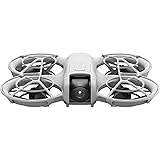
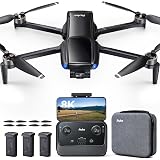
In contrast, multi-rotor agricultural drones, commonly featuring four (quadcopter), six (hexacopter), or eight (octocopter) propellers, are celebrated for their exceptional stability and maneuverability. These platforms are significantly easier to pilot and maintain, making them accessible to a broader range of agricultural users. Their distributed lift system offers a degree of redundancy, meaning that if one motor fails, the drone may still be able to land safely, which enhances operational reliability.
Multi-rotor UAVs excel in navigating irregular field shapes, performing precision spot treatments, or operating in areas with numerous obstacles, such as power lines or trees. Their ability to hover with remarkable precision allows for incredibly accurate application, particularly beneficial for high-value crops or areas requiring localized intervention. While their payload and flight time might be less than single-rotor models, their agility and ease of deployment make them indispensable tools for targeted and adaptive agricultural drone spraying.
Comparative Performance in Agricultural Operations
The choice between single-rotor and multi-rotor UAVs ultimately hinges on the specific operational demands and economic considerations of the farm. Single-rotor systems, with their superior payload and endurance, often boast a wider effective swath width, meaning they can cover more ground per flight. This efficiency translates to fewer battery changes and less downtime, potentially reducing the overall labor cost for very large fields. However, their acquisition cost and specialized maintenance can be higher, creating a significant initial investment barrier for some.
Multi-rotor drones, while requiring more frequent battery swaps due to their lower energy efficiency per kilogram of payload, offer unparalleled precision and ease of operation. Their ability to execute intricate flight patterns and adapt to variable field conditions is particularly advantageous for crops like rape flower, where sensitive blooms and varied topography demand precise and gentle application. Furthermore, the lower entry cost and simpler operational procedures of multi-rotor systems often make them a more attractive option for smaller farms or those just beginning their journey with agricultural drone technology. Therefore, a careful assessment of field size, crop type, budget, and operator skill level is crucial for making an informed decision.
Beyond the Blades: Core Technologies Driving UAV Pesticide Application
The efficacy of agricultural drone spraying extends far beyond the number of rotors; it is deeply rooted in a suite of sophisticated supporting technologies that elevate basic flight into precision agriculture. These integrated systems work in concert to ensure accurate navigation, optimal spray delivery, and invaluable data capture. Understanding these technological pillars provides deeper insight into the transformative potential of modern aerial application.
Advanced Navigation and Flight Control
At the heart of any effective agricultural UAV system lies its advanced navigation and flight control capabilities. Modern spraying drones are typically equipped with Real-Time Kinematic (RTK) or Post-Processed Kinematic (PPK) Global Positioning System (GPS) technology, which provides centimeter-level positioning accuracy. This hyper-accuracy is critical for creating precise flight paths, ensuring consistent swath overlap, and preventing overspray or missed spots. Furthermore, sophisticated autopilot systems with obstacle avoidance sensors enable autonomous flight, allowing drones to navigate complex terrains and circumvent unforeseen hazards with minimal human intervention, thereby enhancing safety and operational efficiency.
Sophisticated Spraying Systems
The actual application mechanism on agricultural drones is a marvel of engineering designed for optimal distribution. This includes high-pressure centrifugal nozzles or rotary atomizers that produce a consistent droplet spectrum, tailored to the specific pesticide and crop. Variable rate technology (VRT) integrated into these systems allows the drone to adjust spray volume and flow rates dynamically based on pre-loaded prescription maps or real-time sensor data. This ensures that pesticides are applied at the exact dosage required for different zones within a field, maximizing efficacy while minimizing waste, a stark contrast to uniform application methods.
Data Integration and Analytics
Perhaps one of the most transformative aspects of agricultural drone spraying is its capacity for data collection and integration. Many modern UAVs are equipped with multispectral or RGB cameras that capture high-resolution imagery of crop health, pest infestations, and nutrient deficiencies. This data can then be processed using specialized software to generate Normalized Difference Vegetation Index (NDVI) maps or other vegetative indices, providing actionable insights into crop vigor. Farmers can use these maps to create precise prescription files for targeted spraying, enabling highly informed decision-time management of agricultural resources, creating a positive feedback loop for continuous improvement.
Optimizing Application: Best Practices for Rape Flower and Beyond
Effective agricultural UAV pesticide spraying is not solely about possessing cutting-edge technology; it hinges significantly on meticulous planning and adherence to best practices. For delicate crops like rape flower, or any high-value agricultural commodity, a strategic approach ensures maximum efficacy, minimizes risk, and safeguards environmental integrity. These operational guidelines serve as the bedrock for successful drone-based crop protection.
Pre-Flight Planning and Field Assessment
Before any drone takes to the sky, comprehensive pre-flight planning is indispensable. This involves a thorough assessment of the target field, identifying specific areas of concern based on scouting reports or historical data. Creating precise mission plans using specialized software, which includes defining flight paths, altitudes, speeds, and spray parameters, is paramount. Factors such as wind speed and direction, temperature, and humidity must be carefully evaluated, as these environmental variables significantly influence spray drift and evaporation, impacting application effectiveness. A detailed site survey helps identify potential obstacles and ensures safe operational zones for the agricultural drone spraying equipment.
Selecting the Right Pesticide and Adjuvants
The choice of chemical formulation is as critical as the application method itself. Selecting the appropriate pesticide for the specific pest or disease, considering its mode of action and compatibility with drone spraying systems, is crucial. Furthermore, the inclusion of adjuvants, such as surfactants or drift reduction agents, can significantly enhance droplet adhesion, spread, and penetration into the crop canopy, especially for crops with waxy leaves like rape flower. Collaborating with agronomists or chemical specialists ensures that the chosen solution is both effective and compliant with all regulatory standards, maximizing the positive impact of agricultural drone spraying while minimizing potential downsides.
Environmental Considerations and Drift Management
Minimizing off-target movement of spray droplets, commonly known as drift, is a paramount concern for responsible agricultural drone spraying. Operators must diligently adhere to label instructions for pesticides, which often specify buffer zones and wind speed limitations. Utilizing nozzles that produce larger, more uniform droplets can significantly reduce the potential for drift, though this must be balanced against ensuring adequate coverage for the target pest. Furthermore, maintaining appropriate flight altitudes, typically just above the crop canopy, helps to ensure that the spray reaches its intended target efficiently. By prioritizing drift management, farmers safeguard nearby sensitive areas, water bodies, and non-target organisms, upholding the environmental integrity of their operations.
The Future Horizon of Agricultural UAV Pesticide Spraying
The trajectory of agricultural UAV pesticide spraying is one of continuous innovation, promising even greater integration and autonomy in farming practices. As technology advances, we anticipate a future where drones move beyond simple spraying tasks to become fully integrated, intelligent farmhands, capable of complex decision-making. This evolution will further cement their role as indispensable tools in precision agriculture, fundamentally reshaping how food is produced globally. The economic impact of these advancements is poised to be immense, driving down operational costs and boosting productivity for farmers worldwide.
One prominent trend is the development of increased autonomy and swarm technology, where multiple drones could operate in a coordinated fashion to cover vast areas more rapidly and efficiently. Integrated with artificial intelligence (AI) and machine learning algorithms, these autonomous systems will be able to identify individual plant health issues, adapt spraying patterns in real-time, and even predict future pest outbreaks based on historical data. New sensor capabilities, including hyperspectral imaging and advanced LiDAR, will enable an even more granular understanding of crop conditions, allowing for hyper-localized treatments that are impossible with current methods. The continued refinement of agricultural UAV pesticide spraying will not only enhance crop yields and reduce environmental impact but also foster a more resilient and sustainable global food system, truly transforming the landscape of modern farming.
From Rotor to Blossom: Your Rape Flower Pesticide Spraying Q&A
What are agricultural drones used for?
Agricultural drones, also known as UAVs, are used for precision pesticide spraying and protecting crops from pests and diseases. They help make farming more efficient and precise.
Why are drones better for spraying pesticides than traditional methods?
Drones offer highly targeted pesticide application, which reduces chemical waste and helps the environment. They can also access difficult areas without compacting the soil.
What are the two main types of agricultural drones used for spraying?
The article primarily discusses two types: single-rotor UAVs and multi-rotor UAVs. Each type has different strengths depending on the farming task.
What is a single-rotor agricultural drone?
Single-rotor drones resemble small helicopters and are designed for power and longer flight times. They can carry more pesticide and are often used for covering large areas.
What is a multi-rotor agricultural drone?
Multi-rotor drones, like quadcopters, have multiple propellers and are known for their stability and ease of maneuverability. They are excellent for precise spot treatments and navigating complex fields.