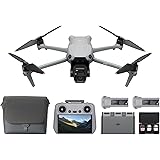
The world of drones offers breathtaking perspectives and exciting opportunities, as you might have just witnessed in the captivating drone footage above. However, for many aspiring pilots, the initial steps into this high-flying hobby can feel overwhelming. Choosing the right drone, understanding complex features, and navigating flight regulations often present significant hurdles. This guide aims to demystify drone technology, helping you launch into the skies with confidence and control, transforming those initial challenges into exhilarating successes.
Understanding Different Types of Drones for Every Pilot
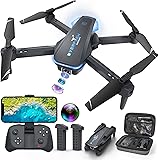
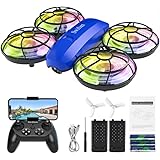
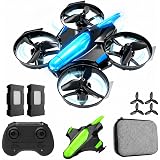
Drones are not one-size-fits-all. Instead, they come in many varieties. Each type suits different purposes and skill levels. Knowing the distinctions helps immensely. For instance, tiny toy drones are perfect for beginners. They are affordable and easy to replace. They teach basic flight mechanics without high stakes.
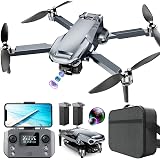
On the other hand, recreational drones offer more features. These might include better cameras and longer flight times. They are great for casual aerial photography. Professional-grade drones provide advanced capabilities. Think high-resolution cameras and precise GPS. These are used for filmmaking or surveying. Consider your primary goal before making a choice.
Essential Features to Look for in a Beginner Drone
Starting with a user-friendly drone is crucial. Some features simplify the learning process. GPS stabilization is a key one. It helps the drone hold its position. This means less drifting and more stable footage. Automatic take-off and landing functions are also very helpful. They reduce common pilot errors. Many crashes happen during these phases.
Battery life is another important factor. Longer flight times mean more practice. Look for drones with at least 15-20 minutes of airtime. A decent camera, even on a beginner model, adds value. It lets you capture impressive aerial shots. Finally, propeller guards protect your drone. They also protect objects around it. These are simple but effective safety features.
Mastering Basic Drone Flight Controls
Flying a drone involves simple controls. The remote controller has two main joysticks. The left joystick typically controls altitude and yaw. Yaw is the drone’s rotation. Pushing it up makes the drone ascend. Moving it left or right rotates the drone. The right joystick manages forward, backward, and sideways movement. This is called pitch and roll.
Practice these movements in open spaces. Start with small, controlled motions. Get comfortable hovering first. Then try gentle forward and backward flights. Always maintain visual line of sight. Never fly out of your range of vision. Consistent practice builds muscle memory. This makes future flights much smoother.
Navigating Drone Regulations and Safety Guidelines
Drone operation comes with responsibilities. Ignorance of rules can lead to fines. In many countries, drones must be registered. Always check local aviation authority websites. The Federal Aviation Administration (FAA) governs drone use in the U.S. They have clear guidelines for recreational pilots. These include altitude limits and airspace restrictions.
Never fly near airports or restricted airspace. Respect privacy by avoiding flying over private property. Keep your drone in sight at all times. Avoid flying over crowds of people. These rules ensure safe drone operation. They also protect public safety and privacy. Safe drone flying enhances the hobby for everyone. Neglecting them puts others at risk.
Unleashing Creativity: Popular Uses for Your Drone
Drones are incredibly versatile tools. They offer unique photographic perspectives. Many people use them for stunning landscape photos. Aerial videography is also popular. Drones capture cinematic footage previously impossible. Think of wedding videos or real estate tours.
Beyond creative endeavors, drones have practical uses. Farmers monitor crops with drones. They assess field health from above. Construction companies use them for site inspections. Search and rescue operations benefit greatly. Drones locate missing persons faster. Even mapping and surveying become more efficient. The possibilities continue to expand. A simple drone can open many doors.
Maximizing Drone Battery Life and Maintenance
Battery care is vital for drone longevity. Always charge batteries fully before flight. Avoid completely draining them every time. Storing batteries at partial charge is often best. Check your drone’s specific manual for storage tips. Cold weather significantly reduces battery performance. Warm up batteries slightly before flying in low temperatures.
Regular maintenance prevents issues. Inspect propellers for cracks or chips. Replace damaged propellers immediately. They can affect flight stability. Clean the drone body and camera lens often. Dust and dirt degrade performance. Update firmware regularly. Manufacturers release updates for improved features. They also fix potential bugs. These simple steps keep your drone flying strong.
Advanced Tips for Enhancing Your Drone Piloting Skills
Once comfortable with basics, challenge yourself. Practice more complex flight patterns. Try figure-eights or circles. Learn to fly smoothly against wind. This improves your control in varying conditions. Experiment with camera settings. Adjust ISO, shutter speed, and white balance. These changes dramatically impact image quality.
Consider using flight simulators. They allow practice without risk. Many are available for computers and mobile devices. Join online drone communities. Share tips and learn from others. Watch tutorials on advanced maneuvers. Continuous learning refines your skills. It ensures you get the most from your drone.
Quick Cuts: Your Drone Q&A
What type of drone is best for a beginner?
Tiny toy drones are perfect for beginners because they are affordable, easy to replace, and help you learn basic flight mechanics without high stakes.
What essential features should I look for in a beginner drone?
Key features include GPS stabilization for steady flight, automatic take-off and landing to reduce errors, good battery life (15-20 minutes), and propeller guards for protection.
How do I control a drone?
The remote controller typically has two joysticks; the left controls altitude and rotation (yaw), while the right manages forward, backward, and sideways movement (pitch and roll). Start by practicing hovering in open spaces.
Are there rules or regulations for flying drones?
Yes, drone operation comes with responsibilities, and you should always check local aviation authority websites, like the FAA in the U.S., for guidelines on registration, altitude limits, and airspace restrictions.
What are some popular uses for drones?
Drones are widely used for capturing stunning aerial photos and videos, and also for practical applications such as monitoring crops, inspecting construction sites, and aiding in search and rescue operations.