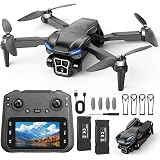
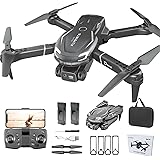
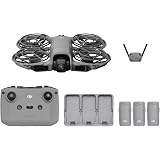
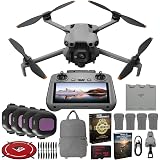
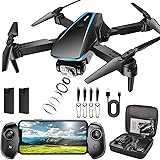
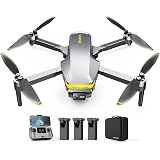
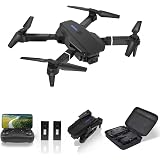
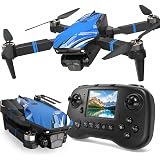
There is a unique satisfaction found in building something with your own hands, especially when that creation takes flight. The initial sparks of an idea, followed by meticulous assembly, can be a truly rewarding journey. For those captivated by the visual guide to simple tips for drone making presented above, this article serves as a comprehensive companion, delving deeper into the nuances of constructing your very own unmanned aerial vehicle (UAV).
Getting Started with DIY Drone Making
The field of drone making has seen remarkable growth, evolving from a niche hobby to an accessible pursuit for many enthusiasts. Building a drone, rather than purchasing a ready-to-fly model, offers unparalleled opportunities for learning and customization. It is an intricate process that combines elements of electronics, mechanics, and aerodynamics.
A significant advantage of DIY drone making is the deeper understanding gained about how these complex machines operate. Each component’s role becomes clearer, fostering a greater appreciation for the technology. Moreover, a custom-built drone can be tailored precisely to specific needs, whether for aerial photography, racing, or scientific research, providing a level of control and performance not always available with off-the-shelf units.
Essential Components for Your First Drone
Embarking on a drone building project requires familiarity with several fundamental components, each playing a crucial role in the vehicle’s functionality. Careful consideration of these parts is paramount for successful drone making.
The Drone Frame
The frame forms the structural backbone of your drone, housing all other components. Frames are commonly constructed from materials like carbon fiber, plastic, or aluminum, each offering different levels of durability and weight. A popular choice for beginners is the quadcopter frame, which is characterized by its four arms and ease of assembly. Its symmetrical design contributes to stable flight characteristics.
Motors and Propellers
Propulsion is primarily achieved through electric motors, with brushless motors being the standard for performance drones due to their efficiency and power. These motors are rated by Kv (kilovolt), which indicates the RPM per volt. Selecting the correct Kv rating is essential, as it dictates the motor’s speed and torque. Propellers are then attached to these motors, generating the thrust necessary for flight. Propeller size and pitch must be matched carefully to the motor’ and the drone’s intended use.
Electronic Speed Controllers (ESCs)
Each brushless motor requires an Electronic Speed Controller, or ESC, to convert the DC power from the battery into three-phase AC power. ESCs regulate the speed of the motors based on commands from the flight controller. Their amperage rating must be sufficient to handle the current draw of the motors under full load, preventing overheating and ensuring reliable operation. Proper calibration of ESCs is a critical step in the setup process.
Flight Controller (FC)
Often referred to as the “brain” of the drone, the flight controller processes inputs from the pilot and various sensors to stabilize the aircraft. Modern flight controllers run open-source firmware such as Betaflight, ArduPilot, or INAV, which allow for extensive customization and tuning. Integrated sensors, including accelerometers and gyroscopes, provide essential data for maintaining stable flight. The choice of FC can significantly impact the drone’s flight characteristics and capabilities.
Battery
Lithium Polymer (LiPo) batteries are the power source of choice for most drones due to their high energy density. LiPo batteries are characterized by their voltage (expressed in ‘S’ count, e.g., 3S, 4S), capacity (mAh), and discharge rate (C-rating). A 4S battery, for instance, provides a nominal voltage of 14.8V, offering more power than a 3S battery. Careful handling of LiPo batteries is imperative due to their potential safety hazards if misused or damaged.
Radio Transmitter and Receiver
The pilot’s commands are wirelessly transmitted from a radio transmitter to a receiver mounted on the drone. Various radio protocols are in use, such as FrSky, Crossfire, or ELRS, each offering different ranges and features. Establishing a reliable connection between the transmitter and receiver is fundamental for safe and responsive control. The receiver typically connects to the flight controller, relaying pilot inputs.
Power Distribution Board (PDB) or 4-in-1 ESC
To simplify wiring and distribute power efficiently to all components, a Power Distribution Board (PDB) is often employed. Alternatively, many modern builds utilize a 4-in-1 ESC, which integrates four ESCs onto a single board, often with an integrated PDB. These units streamline the power delivery system, reducing clutter and making assembly more straightforward.
Tools and Workspace Setup for Drone Assembly
A well-prepared workspace and the right tools are indispensable for successful drone making. A clean, well-lit area is recommended to prevent component loss and ensure precision. Necessary tools typically include a quality soldering iron with fine tips, wire strippers, flush cutters, and heat shrink tubing. A multimeter can be incredibly useful for checking continuity and voltage, helping to diagnose electrical issues.
Safety equipment, such as safety glasses, should always be worn when soldering or cutting wires. Having a basic set of hex wrenches or screwdrivers appropriate for the frame hardware is also essential. An organized workspace prevents frustration and allows for focused attention on the intricate assembly process.
Step-by-Step Assembly: From Parts to Flight
The assembly process involves a sequence of logical steps, each contributing to the drone’s integrity and functionality. Following a methodical approach can prevent common errors during drone making.
Frame Assembly
The first step typically involves assembling the drone frame. This includes mounting the arms to the main body plate and attaching any landing gear. It is often advised that all screws are only finger-tightened initially, allowing for minor adjustments before final securement.
Motor Installation & Wiring
Motors are then securely mounted onto the frame arms. The motor wires are carefully routed and soldered to the corresponding pads on the ESCs. Attention to detail is crucial here; correct motor direction can be set by wiring order or later via software. Heat shrink tubing is often used to insulate solder joints.
ESC & PDB/FC Integration
The ESCs, or the 4-in-1 ESC, are connected to the PDB if separate, or directly to the flight controller if it has integrated power distribution. Signal wires from the ESCs are connected to the appropriate motor output pins on the flight controller. These connections facilitate communication between the flight controller and the motors, translating commands into motor speed adjustments.
Flight Controller Mounting
The flight controller is carefully mounted onto the frame, typically using standoffs and anti-vibration grommets. Proper isolation from frame vibrations is critical for sensor accuracy and stable flight. The USB port of the FC should remain accessible for future configuration.
Receiver Binding
The radio receiver is wired to the flight controller, usually via a serial protocol like SBUS or F.Port. The receiver then needs to be ‘bound’ to the radio transmitter. This process establishes a secure, unique communication link between the two devices, ensuring that only your transmitter can control your drone.
Battery Connector & Straps
The main battery connector, typically an XT60 or XT30, is soldered to the PDB or 4-in-1 ESC. Polarity must be observed strictly to prevent damage. Battery straps are then secured to the frame, ensuring the LiPo battery can be firmly attached for flight without shifting.
Propeller Attachment
Propellers are attached last, only after all electronic setup and testing have been completed. It is absolutely essential to ensure each propeller is mounted on the correct motor and rotating in the proper direction. Incorrect propeller installation can lead to unstable flight or even damage.
Initial Setup and Calibration for Safe Flying
Once the physical assembly is complete, the electronic configuration phase begins. This involves connecting the flight controller to a computer and using configuration software to set up parameters. Firmware flashing, such as updating Betaflight to its latest version, is often one of the first steps. This ensures access to the newest features and bug fixes.
Sensor calibration, including the accelerometer and gyroscope, is performed within the configurator. These calibrations ensure the drone accurately perceives its orientation in space. Motor direction testing, conducted without propellers attached, verifies that each motor spins in the intended direction. Finally, a fail-safe configuration is set up, which dictates the drone’s behavior in the event of signal loss, typically by slowly descending or disarming.
Common Challenges and Troubleshooting in Drone Making
Even with meticulous attention, challenges can arise during drone making. Common issues include cold solder joints, which can lead to intermittent connections or complete circuit failure. Reversed polarity in power connections is a critical error that can instantly destroy components. Motor desyncs, where motors lose synchronization, might indicate an issue with ESC calibration or faulty ESCs.
Flight drift, where the drone moves without pilot input, often points to uncalibrated sensors or an imbalanced frame. Thoroughly checking all wire connections and solder points with a multimeter can prevent many problems. Consulting online forums and community resources is highly recommended when troubleshooting persists.
Taking Flight: Your First Test and Beyond
The culmination of your drone making efforts is the maiden flight. This initial test should always be conducted in an open, safe area, far from people, animals, and obstacles. A gentle takeoff, followed by a stable hover test, allows for an assessment of the drone’s basic stability and responsiveness. Small, controlled movements are advised for the first few flights.
As confidence grows, basic maneuvers can be practiced. Continued learning is a key aspect of the hobby, with many resources available through online communities and specialized forums. The journey of drone making is an evolving process, providing endless opportunities for refinement and new challenges.
Hovering Over Your Drone Building Questions
What is DIY drone making?
DIY drone making means building your own drone from individual parts instead of buying a pre-built one. It’s a rewarding process that combines elements of electronics, mechanics, and aerodynamics.
Why should I build my own drone instead of buying one?
Building a drone provides a deeper understanding of how the machine operates and allows you to customize it precisely for your specific needs, such as aerial photography or racing.
What is the main structural part of a drone?
The drone frame is the structural backbone that houses all the other components. For beginners, a quadcopter frame with four arms is a popular choice due to its ease of assembly.
What is the ‘brain’ of a drone?
The flight controller (FC) is often called the ‘brain’ because it processes inputs from the pilot and uses sensors to stabilize the aircraft, ensuring smooth and controlled flight.
What kind of battery do drones typically use?
Drones commonly use Lithium Polymer (LiPo) batteries because they offer high energy density, providing the necessary power for flight. These batteries are characterized by their voltage and capacity.