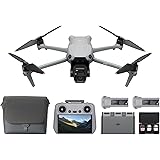
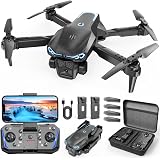
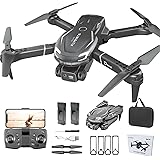
The exhilarating world of FPV (First Person View) drone flying, as vividly captured in the accompanying video showcasing various FPV drone crashes, is a thrilling blend of skill, technology, and adrenaline. However, this high-octane hobby inevitably comes with its share of mishaps. For every breathtaking dive and nimble maneuver, there’s always the specter of a sudden loss of control, a component failure, or a misjudgment leading to an unfortunate impact. Learning from these incidents, particularly those involving specific anomalies like a tricopter glitch, is paramount for any serious FPV pilot seeking to elevate their game and safeguard their valuable equipment.
When an FPV drone succumbs to gravity prematurely, it often signals more than just a momentary lapse in piloting prowess; frequently, it unearths underlying issues within the system itself. Like a complex orchestra, if one instrument is out of tune, the entire symphony can falter. Understanding the myriad causes behind FPV crashes allows pilots to not only troubleshoot effectively but also implement robust preventative measures. Let us delve into the common culprits behind these aerial adversities and explore strategies for mitigation.
Deconstructing Common Causes of FPV Drone Crashes
The reasons behind an FPV drone’s unexpected descent are diverse, spanning hardware, software, environmental factors, and pilot error. Identifying the root cause is often akin to forensic detective work, requiring meticulous analysis of telemetry data, flight logs, and physical damage patterns. Consequently, many pilots begin their post-crash analysis by asking fundamental questions about the last known good state of their craft.
Signal Interruption and Loss of Control
One of the most immediate and terrifying causes of drone crashes is the loss of a robust control link between the pilot’s transmitter and the drone’s receiver. This can manifest as anything from minor signal degradation, causing erratic flight characteristics, to a complete radio link loss, triggering the drone’s failsafe protocol. Such interruptions are often akin to a conductor losing their baton mid-performance; without clear signals, chaos ensues.
Causes frequently include physical obstructions, electromagnetic interference (EMI) from external sources, or even issues with the receiver or transmitter antennas themselves. Furthermore, transmitting near high-voltage power lines or dense Wi-Fi networks can easily overwhelm the drone’s radio frequency (RF) link. Pilots must, therefore, consider their flight environment as carefully as they calibrate their flight controller (FC).
Battery Failures and Power Delivery Issues
The flight battery is the lifeblood of an FPV drone; its failure can lead to an instant power cut, causing the drone to drop like a stone. A sudden voltage drop, often termed a ‘brownout,’ can occur due to an aging battery, over-discharging, or even a damaged cell. Comparatively, think of a battery as the heart of the system; if it stops pumping, the entire body ceases to function. Similarly, issues with the Electronic Speed Controllers (ESCs) or the Power Distribution Board (PDB) can interrupt the flow of energy to motors, leading to a partial or total power loss.
These power delivery problems frequently arise from poor soldering, inadequate wire gauge for current draw, or a component exceeding its operational limits. Pilots must meticulously inspect their power systems, ensuring robust connections and properly rated components to prevent these catastrophic failures.
Component Malfunctions: Motors, ESCs, and Flight Controllers
At the heart of any FPV drone lies a complex interplay of sophisticated components, each susceptible to its own specific failure modes. A motor, for instance, might experience a desync, where one or more motor phases briefly lose synchronization with the ESC, resulting in a sudden, violent twitch or flip. This is much like a piston engine misfiring; the imbalance causes immediate instability.
ESCs can burn out due to excessive current draw, poor cooling, or manufacturing defects, leading to one motor failing while the others continue to spin, sending the drone into an uncontrolled tumble. The flight controller, the drone’s brain, can suffer from software glitches, incorrect PID tuning, or even physical damage, leading to unpredictable behavior or a complete refusal to respond to commands. Consequently, selecting quality components and performing regular diagnostics are crucial preventative measures.
Troubleshooting the Tricopter Glitch and Other Specific Anomalies
While many FPV drones operate on a quadcopter (four motors) configuration, tricopters, with their distinctive three-motor setup and often a servo-controlled rear motor for yaw, present a unique set of challenges. A tricopter glitch could stem from issues specific to this design, such as a failing yaw servo, incorrect servo calibration, or imbalanced thrust from the two front motors.
When analyzing a tricopter glitch, one must consider the additional mechanical complexity introduced by the servo. Just as a tightrope walker depends on perfect balance, a tricopter relies on the precise articulation of its rear motor to maintain directional stability. A stiff servo, worn gears, or a disconnected linkage can lead to erratic yaw behavior, culminating in a crash. Furthermore, the slightly different thrust vectoring compared to a quadcopter means PID tuning requires a different approach, where an improperly tuned tricopter can exhibit oscillations or instability, especially during aggressive maneuvers.
Leveraging Telemetry and Blackbox Data
Post-crash analysis is a critical learning opportunity. Modern flight controllers often include blackbox logging capabilities, which record a wealth of data points – motor RPMs, gyro readings, accelerometer data, control inputs, and battery voltage – at high frequencies. Reviewing this data is like examining an aircraft’s flight recorder after an incident; it offers an invaluable, objective narrative of the drone’s final moments.
For instance, a sudden spike in motor current coupled with a drop in RPM just before impact might indicate a motor desync or prop strike. Conversely, a gradual decline in battery voltage across all cells without corresponding pilot input suggests a battery degradation issue. Consequently, every FPV pilot should become proficient in interpreting blackbox logs to accurately diagnose the root cause of any FPV drone crash.
Preventative Measures and Best Practices
Preventing FPV crashes is a multi-faceted endeavor that combines diligent maintenance, responsible piloting, and a deep understanding of one’s equipment. It is far more effective to address potential issues proactively than to reactively repair damage.
Rigorous Pre-Flight Checks
Before every flight, a thorough pre-flight inspection is non-negotiable. This process is analogous to a surgeon reviewing a checklist before an operation; every detail counts. Inspect propellers for chips or cracks, as even minor damage can lead to vibrations and instability. Verify all electrical connections are secure and free from corrosion. Check battery voltage and cell balance, ensuring no cells are under stress or over-discharged. Furthermore, cycle arming and disarming procedures on the ground to confirm proper motor response and failsafe functionality. Verifying the failsafe behavior is paramount, ensuring that in the event of signal loss, the drone either disarms safely or returns home as configured.
Proper PID Tuning and Configuration
The Flight Controller’s PID (Proportional, Integral, Derivative) loops are the heart of a drone’s stability system, constantly making micro-adjustments to maintain its attitude. An improperly tuned drone can exhibit oscillations, sluggishness, or even sudden flips – all precursors to a crash. Much like tuning a musical instrument, achieving harmonic balance requires precision and patience. Regularly checking the latest firmware and applying recommended settings for specific drone configurations can dramatically enhance flight stability. Moreover, ensuring correct motor direction and propeller orientation is a fundamental, yet often overlooked, step.
Maintaining Component Health and Integrity
Regular maintenance is crucial for the longevity and reliability of FPV components. Motors should be checked for smooth rotation, free from grinding or resistance, which can indicate worn bearings. ESCs should be kept cool and free from debris. Wiring harnesses should be inspected for chafing or fraying, particularly in areas subject to vibration. Furthermore, ensuring that the flight controller and receiver are securely mounted and isolated from excessive vibrations helps prevent spurious readings that can lead to flight instability. Thinking of your drone as a high-performance vehicle emphasizes the need for consistent, professional upkeep.
Learning from the Airframe’s Descent
Ultimately, every FPV drone crash, whether it’s a simple hard landing or a spectacular tumble, offers an invaluable lesson. The frustration and cost associated with repairs are undeniable, but viewing each incident as an opportunity for growth transforms a setback into an advancement. It is through careful post-mortem analysis, shared experiences with the FPV community, and a commitment to continuous learning that pilots evolve. Just as a scientist learns from failed experiments, an FPV pilot gains profound insights from every aerial mishap, strengthening their understanding and sharpening their skills for future flights. Even a simple tricopter glitch can reveal complex system interactions.
Navigating the Aftermath: Your Q&A on FPV Drone Crashes and Tricopter Glitches
What is FPV drone flying?
FPV (First Person View) drone flying is an exciting hobby where pilots control drones while seeing through a camera on the drone, creating an immersive, high-speed experience. It combines skill, technology, and adrenaline.
Why do FPV drones crash?
FPV drones can crash due to many reasons, including loss of the control signal, battery failures, malfunctions of components like motors or flight controllers, and pilot errors. Environmental factors such as electromagnetic interference can also contribute.
What is a ‘tricopter glitch’?
A ‘tricopter glitch’ is a specific issue affecting drones with three motors, often related to the rear motor’s servo mechanism that controls yaw (turning). Problems can arise from a failing servo, incorrect calibration, or uneven motor thrust.
How can I prevent FPV drone crashes?
You can prevent FPV crashes by conducting rigorous pre-flight checks, ensuring your drone’s components are in good condition, and properly tuning its flight controller settings. Always inspect propellers, connections, and battery health before each flight.